If you've only done sauna, you may be missing half the experience. If you've only done cold plunge, same thing.
But when you put them together — alternating between heat and cold in a deliberate protocol — many people notice something different. Research suggests your body may respond in ways neither produces alone.
That's contrast therapy. And at Lost in Float, it's called Fire & Ice (Sauna + Cold Plunge).
The Science of Hot and Cold
Your blood vessels are incredibly responsive to temperature. Heat causes vasodilation — they expand, increasing blood flow. Cold causes vasoconstriction — they contract, reducing blood flow.
When you alternate between hot and cold, you're essentially pumping your vascular system — dilating and contracting repeatedly, which many people describe as a "vascular workout" — warm hands, loose muscles, everything switched on.
Research suggests heat may raise heat shock proteins and growth hormone, while cold exposure may raise norepinephrine and dopamine. Alternating the two may combine those responses — which may be why so many people say they leave feeling both calm and clear.
What This Does For Your Body
Muscle soreness. A 2013 meta-analysis found contrast water therapy reduced muscle soreness more than passive rest after hard exercise (Bieuzen et al., PLoS One). Many athletes use it as part of their recovery routine.
Circulation. The repeated dilation and contraction of blood vessels gets circulation moving, and large Finnish studies have associated regular sauna use with better long-term heart health. Those are observational findings, so they can't prove cause and effect.
Metabolism. Research suggests regular cold exposure may increase brown fat activity, and a small study of winter swimmers who alternated sauna and cold water found greater cold-induced heat production. The calorie effect is modest — strength training, protein, sleep and daily movement still do the heavy lifting. See Fire & Ice vs the Immersion Room for the honest take.
Mood. Research suggests the combination may support mood, and many of our Fire & Ice members describe it as the best mood lift they've found.
Sleep quality. The drop in core body temperature after a heat session may help you wind down, and many guests tell us they sleep better on Fire & Ice nights — especially when they end in the sauna.
The Protocol: How to Do It Right
Sauna rounds can run 5–15 minutes; cold plunges 1–3 minutes. Leave a few minutes at the end to change.
45-minute session (2–3 rounds):
Round 1: 10 minutes sauna → 1–2 minutes cold plunge → 2 minutes rest
Round 2: 10 minutes sauna → 1–2 minutes cold plunge → 2 minutes rest
Round 3 (optional): 5–8 minutes sauna → 1–2 minutes cold plunge
60-minute session (3 rounds):
Round 1: 10–15 minutes sauna → 2–3 minutes cold plunge → 3 minutes rest
Round 2: 10–15 minutes sauna → 2–3 minutes cold plunge → 3 minutes rest
Round 3: 10 minutes sauna → 2–3 minutes cold plunge
Finish cold if you want to leave alert; finish in the sauna if sleep is the goal. Lifting the same day? Do your cold before strength training, not right after.
Book Fire & Ice in Lincoln NE
45 minutes $49. 60 minutes $59. Bring a friend for +$25.
Book Fire & Ice → See membershipsThe Lost in Float Fire & Ice Experience
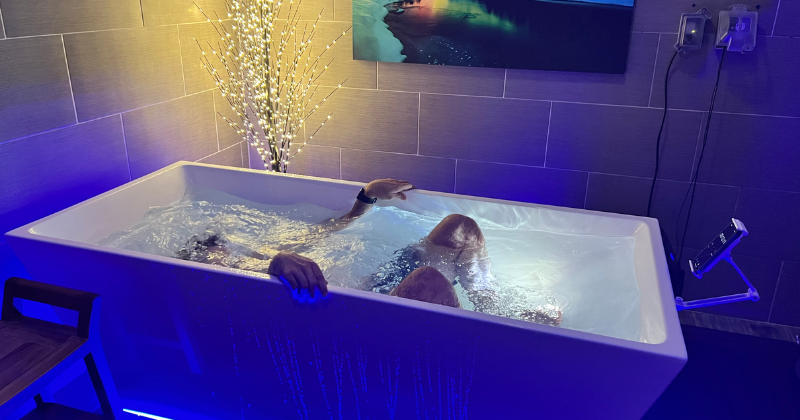
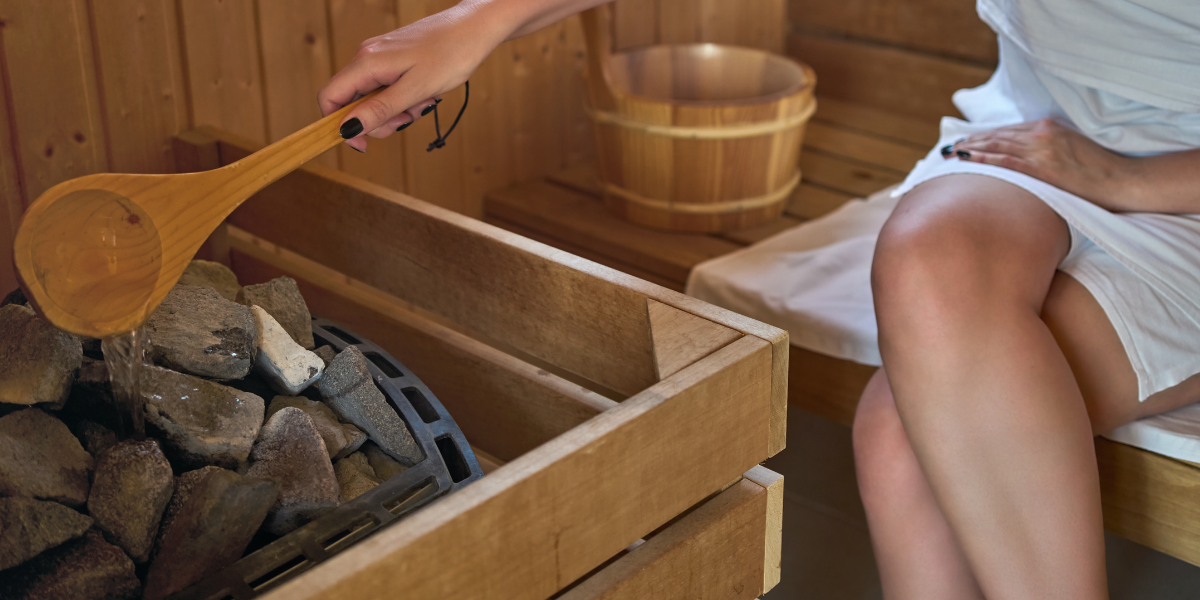
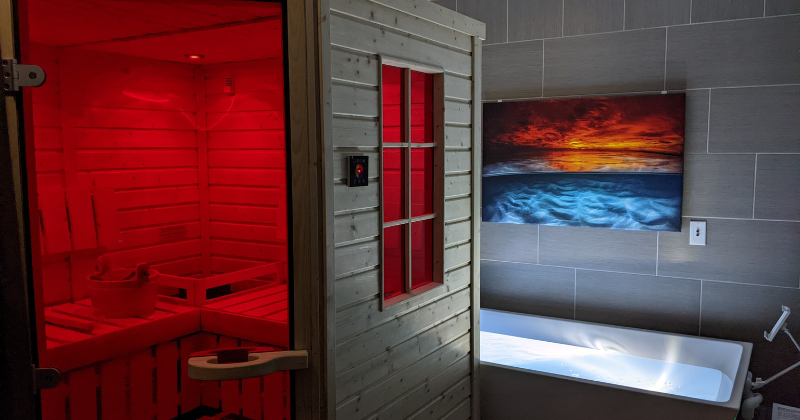
Our Fire & Ice (Sauna + Cold Plunge) room at Lost in Float in Lincoln NE is purpose-built for contrast therapy. You get a private space with direct access to both our sauna (genuinely hot at 195°F) and our 45°F cold plunge. The suite is large enough to relax between rounds and includes a clock for timing and a shower for transitions.
We're proud of it — and one guest who'd done 80+ contrast therapy sessions across multiple states told us it's the best they've experienced anywhere.
Want a shorter option? Our Immersion Room pairs a hot plunge with a 45°F cold plunge in a private room — 20 minutes for $25 or 45 minutes for $49. Guests older than 5 can join with a guardian; 18+ can come alone.
Lost in Float | 8244 Northern Lights Dr, Lincoln NE | 531.289.7739 | Open Tuesday–Sunday 9am–9pm