The wellness industry has done red light therapy a disservice.
Between the $30 face masks on Amazon and the extravagant claims plastered across social media, it's become genuinely hard to separate what red light therapy actually does from what people wish it did.
So let's cut through it. Here's what peer-reviewed research suggests — and why the equipment you use matters.
The Science in Plain English
Red light therapy — also called photobiomodulation — works through a specific mechanism: certain wavelengths of red and near-infrared light penetrate the skin and are absorbed by mitochondria. When mitochondria absorb this light, they produce more ATP — cellular energy. Research suggests more cellular energy may help cells repair, produce collagen, and calm inflammation.
This isn't theoretical. It's been studied in hundreds of peer-reviewed trials across multiple decades. The mechanism — light absorbed by cytochrome C oxidase in mitochondria triggering increased ATP production — is well-established and reproducible across multiple independent labs worldwide.
What Red Light Actually Does for Skin
Collagen production. Multiple studies suggest that red light at 630-660nm may stimulate fibroblasts — the cells responsible for producing collagen. More collagen can mean firmer skin, softer fine lines, and improved skin texture. In studies, changes were usually seen after 8-12 weeks of consistent use.
Blemish-prone skin. Research suggests red and blue light may help with oil production and the bacteria involved in breakouts, and near-infrared light may calm inflammation. It can be a nice complement to your skincare routine — check with your dermatologist about acne care.
Hair. Research suggests red light may support hair follicle activity, and studies on pattern hair loss are encouraging. If you're dealing with hair loss, talk to your doctor first.
Anti-aging effects. By reducing oxidative stress, stimulating collagen, and improving cellular turnover, consistent red light therapy may support improvements in skin tone, elasticity, and overall appearance.
Why Wavelength Matters
Here's where it gets confusing. Not all red light devices are equal. Some consumer face masks emit light that barely penetrates the epidermis — the outermost layer of skin. At those depths, you're not reaching the fibroblasts responsible for collagen production.
Research on red light therapy generally uses 630-660nm for surface skin effects, 830-980nm near-infrared for deeper tissue penetration, and sufficient irradiance — the intensity of light delivered to tissue. Our bed was independently tested by LightLab International, which measured an average of 36.84 mW/cm² across 15 points at the bed surface — right where your skin is. More on wavelengths and irradiance →
What to Expect: A Real Timeline
Sessions 1-4: Many guests tell us their skin looks a little brighter. Some report feeling more energized after sessions.
Weeks 4-8: Many people start to notice smoother texture and more glow.
Weeks 8-16: This is the window where studies have reported collagen-related changes — firmer skin, softer fine lines, more even tone.
Ongoing: Consistency matters most. Results vary from person to person. Many of our members maintain a 2-3x weekly red light schedule as part of their broader wellness routine.
Experience it for yourself
$49 per session, or use your membership credits (every tier includes credits, from Bronze at $69 for 2). Full-body. Independently tested.
Book a red light session → See membershipsBeyond Skin: What Else Red Light Does
Skin is the most visible benefit, but red light therapy's effects extend far beyond your complexion. Research suggests near-infrared light may calm inflammation and support repair in muscle tissue — which is why many members use it after workouts. Emerging research is also looking at joint comfort, circadian rhythm, and mood.
The Lincoln NE Difference
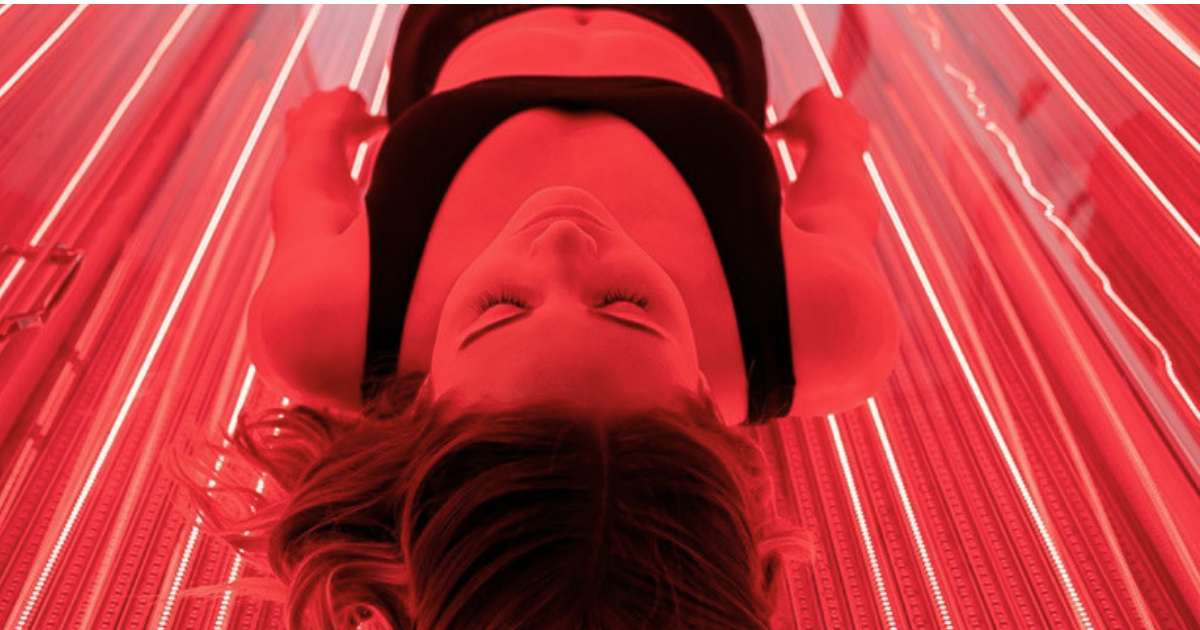
Our red light bed at Lost in Float is full-body — meaning you get therapeutic light exposure across your entire body simultaneously, not just your face. Sessions are ~15 minutes. In and out in under 30 minutes.
Lost in Float | 8244 Northern Lights Dr, Lincoln NE | 531.289.7739 | Open Tuesday–Sunday 9am–9pm