Ask most people what happens when you get into cold water and they'll tell you about dopamine. Maybe norepinephrine. Possibly something about brown fat.
Those things are real. However, there's a whole other class of biological response that barely anyone talks about — one that's arguably more interesting than the catecholamine spike and has implications that go far beyond recovery and mood. Cold shock proteins, and specifically a protein called RBM3, may be among the most compelling reasons to make cold therapy a consistent practice.
Here's what they are, what they do, and why researchers are genuinely excited about them.
What are cold shock proteins?
Cold shock proteins are a family of proteins your body produces in response to a rapid drop in temperature. They're not new — they were first studied in bacteria, where they help cells survive cold environments. However, research has since established that mammals produce their own version of this response, and furthermore, the implications for human health are far more interesting than bacterial survival.
When your body temperature drops quickly — as it does during cold water immersion or cryotherapy — certain genes activate and begin producing these protective proteins throughout multiple tissues simultaneously. They rise in the brain, heart, liver, and muscle, often within minutes of cold exposure.
At a cellular level, cold shock proteins act as chaperones — they help other proteins maintain their correct shape under stress conditions. When cells are under thermal stress, proteins can misfold and malfunction. Cold shock proteins step in to stabilize them, prevent aggregation, and support normal cellular function. Think of them as the cellular equivalent of a crisis management team.
RBM3 — the one researchers can't stop talking about
Within the cold shock protein family, one protein has attracted particular attention from neuroscientists: RBM3 (RNA-binding motif protein 3).
RBM3 is produced rapidly in response to cold. It's found throughout the body, but researchers have focused especially on its effects in the brain — and the early findings, mostly in animals, are intriguing.
Animal research suggests RBM3 may support the regeneration of synapses — the connections between neurons. In mouse models, cold-induced RBM3 production was associated with less synapse loss, and RBM3 levels correlated with preserved cognitive function in those models. Whether the same happens in humans who cold plunge hasn't been shown yet.
Lab research suggests RBM3 may activate antioxidant defense pathways, helping cells manage oxidative stress — the kind of wear that accumulates with metabolic stress and aging.
RBM3 appears to support mitochondrial function — the cellular machinery responsible for producing energy. This may partly explain the sustained energy and mental clarity many cold therapy practitioners report in the hours following a session, beyond what the norepinephrine spike alone would account for.
Some research suggests RBM3 may play a role in neuroplasticity — the brain's ability to form new connections and adapt. Researchers are also exploring it in the context of mood, though this work is early and mostly preclinical. If you're managing depression or any mood condition, talk to your doctor — cold therapy is a wellness practice, not a treatment.
"Cold shock proteins are one of the most promising areas of cold therapy research — and one of the least discussed outside of academic circles."
Why cold water immersion may have an advantage here
This is where the cold plunge vs cryotherapy conversation gets genuinely interesting from a cold shock protein perspective.
It's plausible that cold shock protein activation — including RBM3 — is more robustly triggered by full cold water immersion than by dry cold air, though direct human comparisons are thin. The reasoning is physics: water conducts heat away from the body approximately 25 times more efficiently than air at the same temperature. As a result, cold water produces a faster and more pronounced drop in skin and superficial tissue temperature, which is the primary trigger for cold shock protein production.
Furthermore, longer immersion at temperatures like 45°F provides a more sustained cold stimulus than a 3-minute cryotherapy session, even though the chamber temperature is far lower. The conductive nature of water means more actual cold is transferred to the body in a shorter effective time.
This doesn't mean cryotherapy can't trigger cold shock proteins — RBM3 appears to respond to rapid drops in skin temperature. But if cold shock proteins are your interest, the current research leans toward cold water immersion with adequate duration.
How much cold, how often?
Cold shock protein research is still developing, and there aren't yet established "dose" recommendations the way there are for, say, vitamin D. However, the general picture from existing research suggests a few useful principles:
Temperature matters. Colder is generally more effective at triggering the response, with most research focusing on temperatures between 39–59°F. Our cold plunge runs at 45°F — within the range where cold shock protein responses have been documented.
Rapid cooling is the key trigger. The sudden drop in skin temperature, rather than sustained cold exposure, appears to be what initiates the cold shock protein response. This may be why even relatively brief sessions could be enough to start the response.
Consistency matters more than any single session. As with most biological adaptations, regular cold exposure appears to produce more sustained cold shock protein activity than occasional sessions. Furthermore, repeated cold exposure may upregulate the pathways involved, making each session more efficient over time.
The bottom line on cold shock proteins
The dopamine spike gets the headlines. The norepinephrine surge gets quoted in every cold therapy article. However, cold shock proteins — and RBM3 specifically — are a genuinely distinct area of research that operates through a completely different mechanism.
Synapse support. Antioxidant defense. Mitochondrial function. These are early, mostly animal-research findings — not the immediate buzzword benefits people talk about when they describe their first cold plunge. But for people thinking about cold therapy as a long-term practice — particularly anyone interested in brain health and aging well — cold shock proteins are one of the most interesting areas to watch.
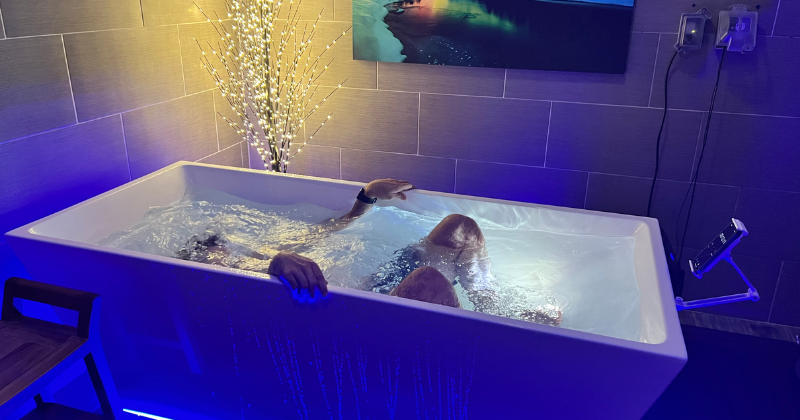
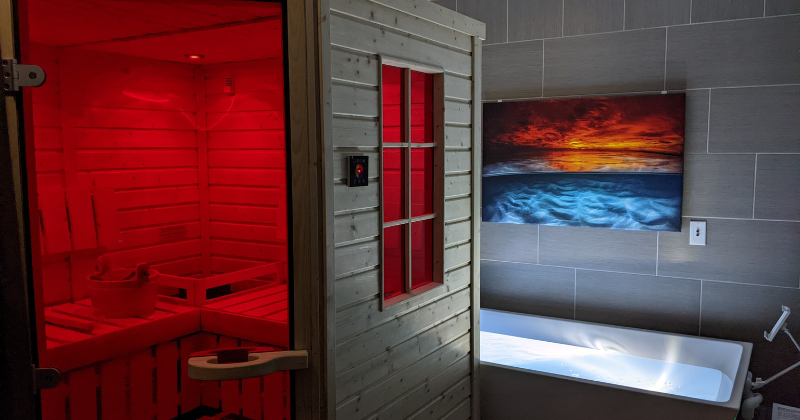
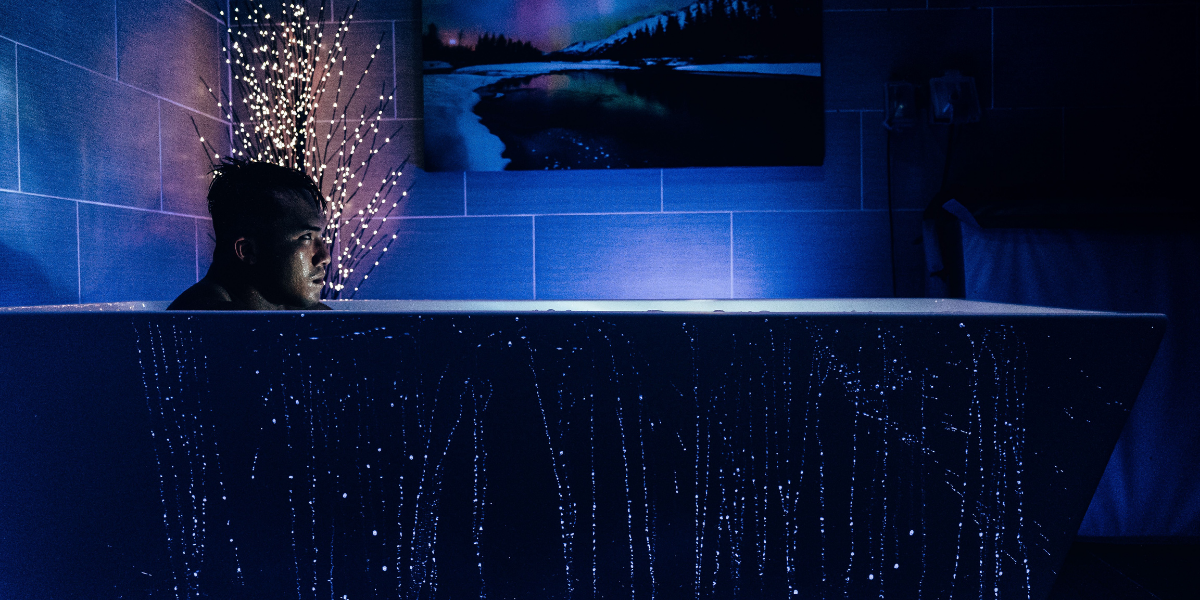
At Lost in Float in Lincoln NE, our cold plunge runs at 45°F in a private room with a shower — inside Fire & Ice (Sauna + Cold Plunge) or the Immersion Room (hot plunge + cold plunge) — designed to make consistent cold therapy as accessible as possible. Because consistency is exactly what the research suggests matters most.
Try it in Lincoln NE
Cold plunge at 45°F in a private room. Immersion Room (hot plunge + cold plunge) 20 min $25 / 45 min $49, or Fire & Ice (Sauna + Cold Plunge) 45 min $49 / 60 min $59. Members get 50% off every additional full-price service.
Book a session → See membershipsLost in Float | 8244 Northern Lights Dr, Lincoln NE | 531.289.7739 | Open Tuesday–Sunday 9am–9pm