We've been floating people in Lincoln NE since 2017.
That's changing. More wellness centers in Lincoln, Nebraska are adding float tanks to their service menus — which is genuinely good for Lincoln, because more people will discover what float therapy can feel like.
But it also means that for the first time, you have a choice. And that choice matters more than most people realize. A float therapy session — also called sensory deprivation or REST (Restricted Environmental Stimulation Therapy) in the research literature — is 60 minutes of deep stillness and quiet. The quality of that experience depends heavily on what surrounds it — and the gap between a carefully maintained float center and a facility where floating is one of many offerings can be substantial.
Here's the honest buyer's guide. Ask these questions before you book.
Question 1: Is This a Dedicated Float Center or a Float Add-On?
There's a meaningful difference between a facility built around float therapy and one where float therapy is an additional amenity.
Every service on a menu competes for the same staff time and maintenance attention. It's worth asking how much of a facility's focus goes to the float tank specifically — who maintains it, how often, and how long they've been doing it.
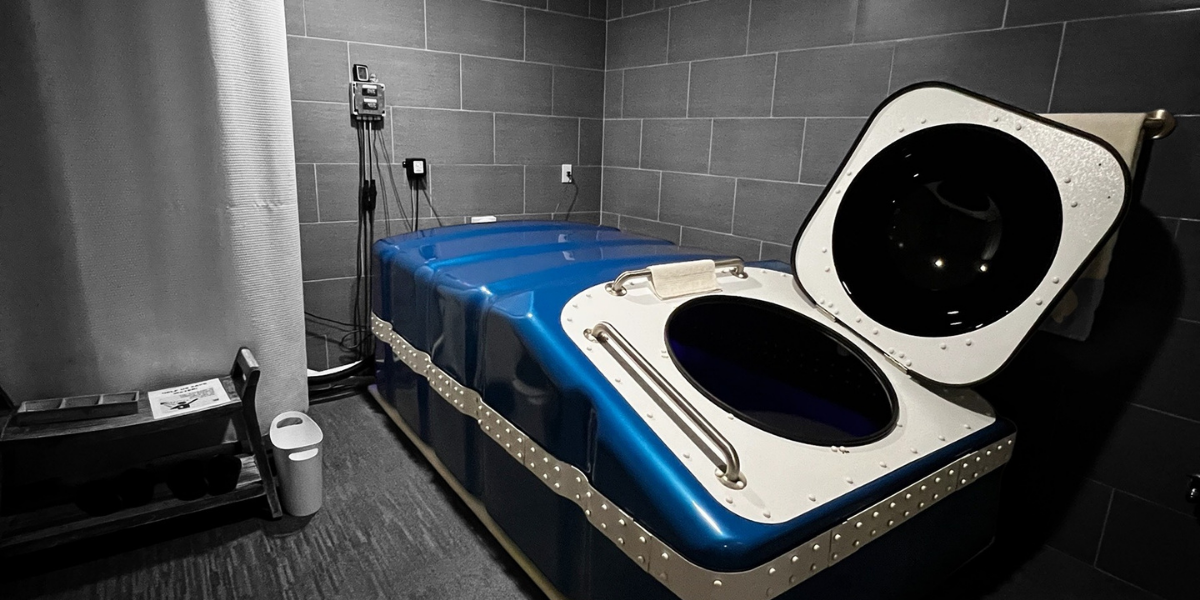
When float therapy is a core offering — as it has been at Lost in Float since we opened in 2017 — every decision gets made through that lens. The tank maintenance, the room construction, the water chemistry, the suite design, the training. We've spent years refining it.
"Ask any facility how many float sessions they've done. Then ask how they know their water chemistry is right today."
The answers to those two questions will tell you a lot.
Question 2: How Is the Room Actually Built?
Genuine sensory deprivation requires genuine silence. Not a quiet room — actual acoustic isolation.
A common approach is to place a float tank in an existing room and add some soundproofing material. The result can be a room that's quieter than normal, but still interrupted by HVAC hum, footsteps, muffled conversations, and building noise. Your auditory cortex keeps processing those sounds even when you consciously stop noticing them — which can make the deepest theta states harder to reach. The 2018 LIBR study (Feinstein et al., PLOS ONE) found short-term drops in anxiety and improvements in mood after a single float in a quiet, sensory-reduced environment — the kind of environment acoustic isolation is designed to protect.
Our float suites at Lost in Float are built as rooms within rooms — purpose-constructed acoustic enclosures that isolate each suite from the rest of the building. The goal isn't muffled sound — it's stopping it. When you close that door, it's about as quiet as a room can get. That's when float therapy can really do its work.
Ask any facility you're considering: how is the room acoustically constructed? A center that has thought about it will have a specific answer.
Question 3: How Is the Water Chemistry Managed?
Float tank water maintenance is one of the most technically demanding aspects of running a float center — and one of the easiest to shortchange.
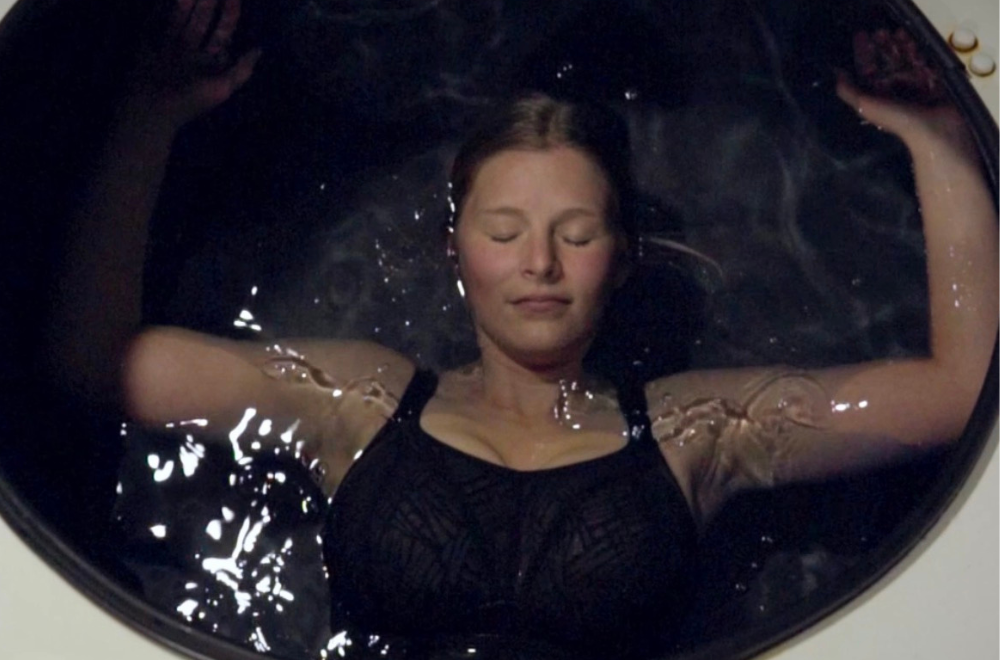
Every float tank contains approximately 1,300 pounds of Epsom salt dissolved in water. That solution must be maintained within precise parameters for every session:
- Salt concentration — must stay in a narrow range for correct buoyancy and skin comfort
- Sanitization — a full three-part sanitation process between every session, not daily. Because we don't use chlorine, we avoid the pH instability that chlorine-based systems create — the result is water that is gentler on skin and eyes
- Water temperature — must match skin temperature precisely (approximately 93.5°F) so the brain stops registering the boundary between body and water
If salt concentration drifts, buoyancy changes — you'll feel yourself working to stay afloat, which pulls your nervous system back to physical awareness and breaks the theta state. If sanitization isn't done between every session, the water isn't what it should be. Our three-part process runs between every single float. These aren't hypotheticals. They're what happens when water chemistry gets treated as a secondary concern rather than the foundation of the entire experience.
At Lost in Float we've been managing our tanks since 2017. We know them intimately — and when something is off, we know immediately and correct before the next floater gets in.
Question 4: Does the Room Control for Outside Conditions?
This is the question almost nobody asks — and one of the most important ones.
Float water temperature is fixed. But the air in the room changes with the seasons. In Nebraska winter, uncontrolled room air can be 20-30°F colder than the water — cold enough that exposed skin evaporates and cools constantly during the session, making it impossible to stop feeling your body. In Nebraska summer, high humidity means sweat doesn't evaporate and the skin never fully stops feeling wet.
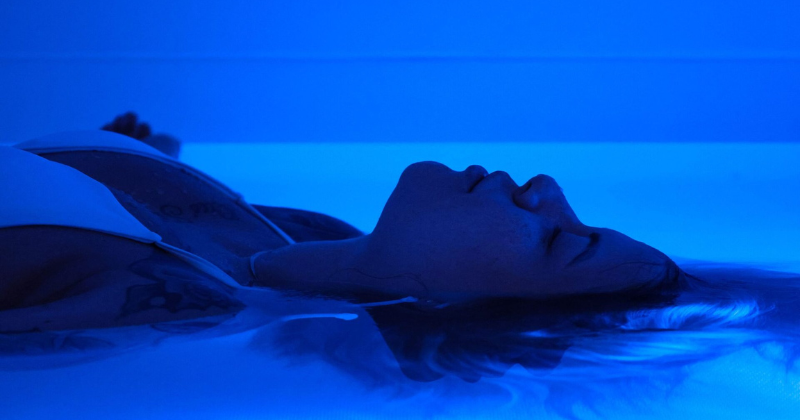
At Lost in Float, we actively monitor and adjust the temperature and humidity in each float suite based on what's happening outside. Our staff checks conditions before every session and makes adjustments so the suite is dialed in for that specific day and weather. The goal is always the same: make the water disappear. When the room conditions are right, your skin stops registering where it ends and the water begins — usually within 15-20 minutes. That's when the real benefits arrive.
Question 5: What Does the Suite Include?
Float therapy requires you to arrive, undress, shower, float, shower again, and re-dress. Everything you need for that process should be provided — without you having to think about it.
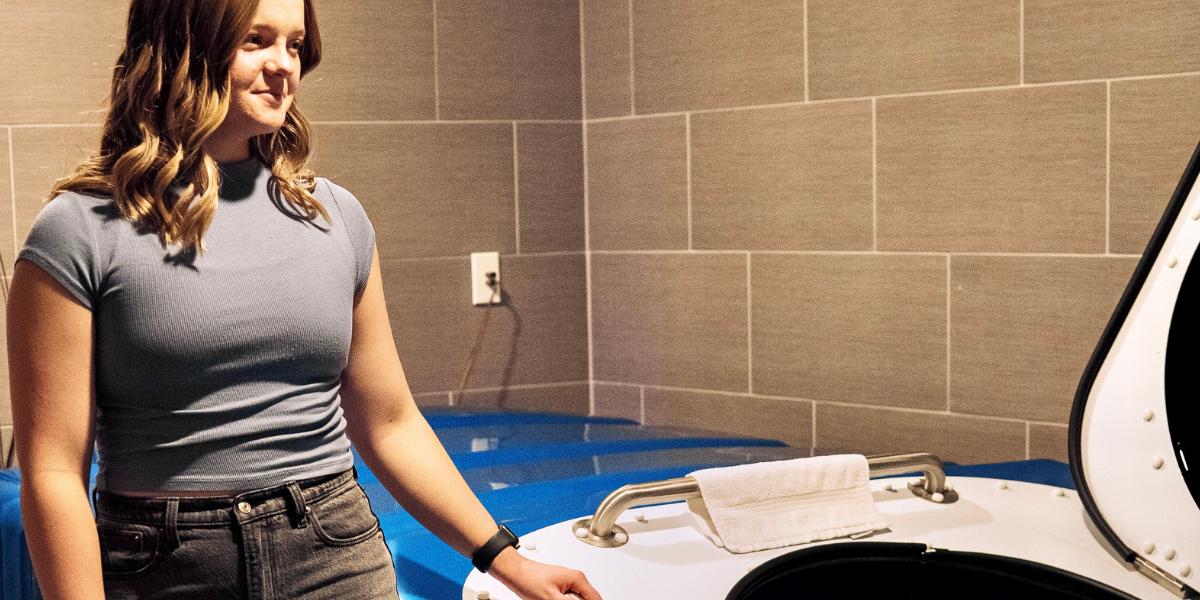
At Lost in Float, every suite includes a private shower, fresh towels, a robe, earplugs, ear wash solution for after, Vaseline for any skin sensitivities, a neck pillow, and thorough suite cleaning between every session. You bring yourself. We handle everything else. (For a deeper look at the small environmental details that compound into a great float — water chemistry, room temperature, sound dampening — see what makes a great float experience.)
The suite is completely private — your own space, your own shower, your own experience, from the moment you walk in to the moment you leave.
And when your session ends, you don't have to go straight back into the world. Our post-float lounge gives you a quiet space to land — to sit, reflect, and let the float settle before you re-engage. Complimentary tea and water are available. Some people stay for five minutes. Some stay for thirty. There's no rush. The transition back is part of the experience, and we've built space for it.
Float with a team that's been doing it since 2017
Since 2017. Private suites. Meticulously maintained. 60-minute floats, $75.
Book your float → See membershipsThe Honest Recommendation
Try float therapy wherever you can find it. If you've never floated, anywhere is a good starting point — and the basics of sensory deprivation will still be meaningful regardless of facility quality. (And if you've floated once and aren't sure what to make of it, that's normal — see first float vs 10th float for how the practice deepens with consistency.)
But if you want the experience that float therapy is actually capable of producing — if you want to understand why so many floaters describe it as one of the most profound experiences of their lives — the details matter. The room. The water. The silence. The privacy. The preparation. And what happens after. (For a deeper read on the underlying research, the 2025 BMC Complementary Medicine review analyzed 63 flotation studies covering 1,838 participants — the most comprehensive synthesis of float therapy research published to date, by Lashgari et al.)
When you're choosing where to float in Lincoln NE, ask these questions. Is the room acoustically isolated — a room within a room — or just a standard wall with some panels? Is the water managed with a dedicated sanitation process between every session, without chlorine? Is the humidity and temperature tuned for the day's conditions outside? Is the suite completely private with everything you need? And is there somewhere to land after?
At Lost in Float, the answers have all been yes since 2017. We're not going to stop.
Lost in Float | 8244 Northern Lights Dr, Lincoln NE | 531.289.7739 | Open Tuesday–Sunday 9am–9pm